

Introduction
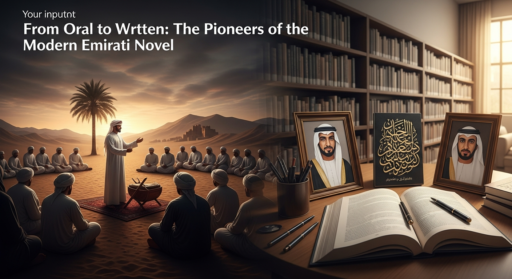
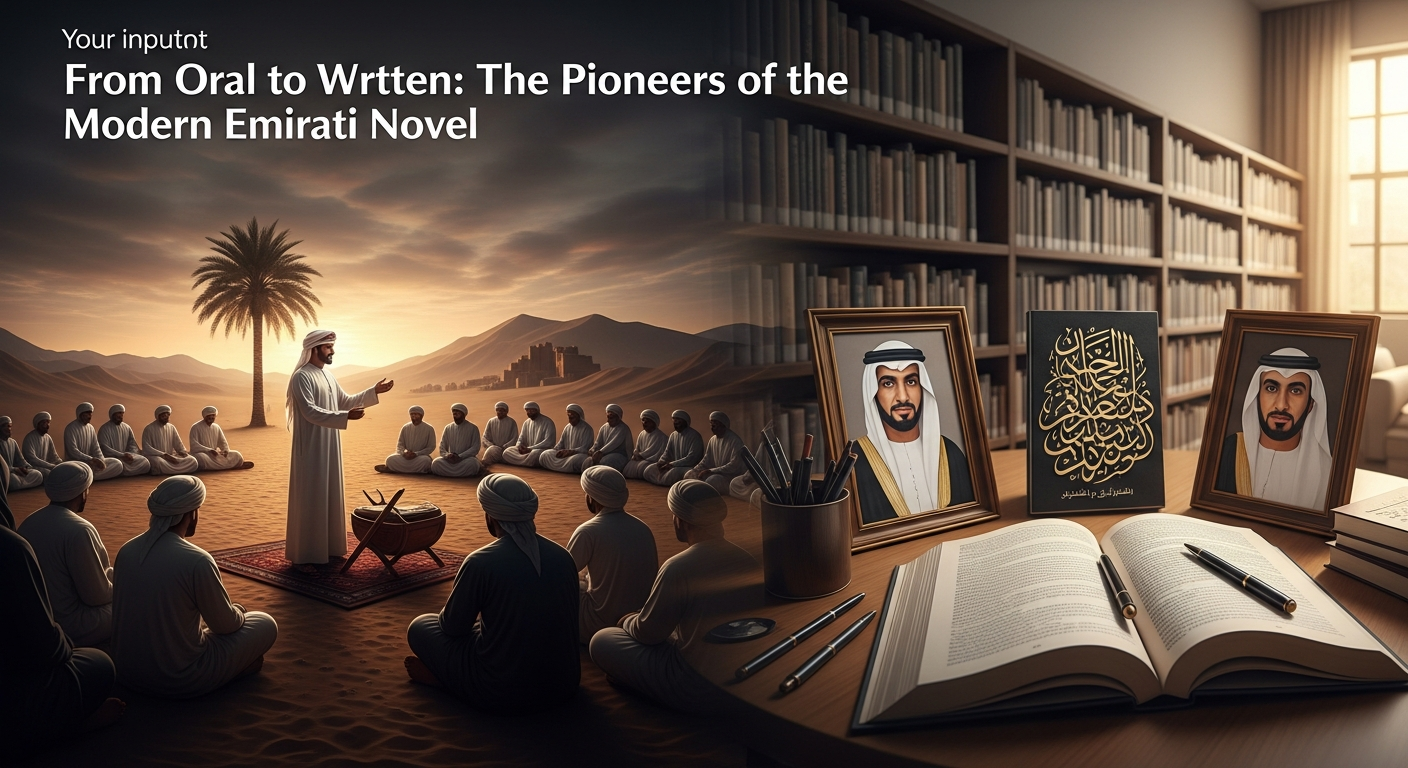
The literary landscape of the UAE has undergone a dramatic transformation in the last half-century, paralleling the nation’s own rapid modernization. A central part of this story is the birth and evolution of the modern Emirati novel. This journey from a primarily oral culture, dominated by poetry and folktales, to a written one capable of sustaining the complex narrative form of the novel, represents a significant intellectual and artistic achievement. The pioneering authors who forged this path navigated the tension between a rich heritage and a suddenly globalized present, creating a new literary voice for the nation.
The First Seeds: Short Stories as a Literary Laboratory
Before the novel could take root, the ground was prepared by the short story. In the 1970s and 80s, as education became widespread, a generation of writers began to experiment with prose fiction in literary magazines and newspapers. The short story was the perfect laboratory. It allowed writers to capture fleeting moments of social change, to depict the psychological disorientation of moving from the desert to the city, and to experiment with point of view and narrative structure without the commitment of a full-length novel. These early stories laid the thematic and technical groundwork for what was to come.
The Pioneers: Abdulaziz Al Musallam and the First Generation
A pivotal figure in this transition is Dr. Abdulaziz Al Musallam. A prolific writer, folklorist, and historian, his early works in the 1980s and 90s were instrumental in establishing a prose narrative tradition. While not always novel-length, his fiction broke new ground by weaving elements of Emirati folklore, history, and social realism into a cohesive narrative. Alongside him, authors like Ali Abulrahman began to explore the inner lives of their characters, moving beyond folkloric archetypes to create complex individuals grappling with identity in a changing world. These writers were the bridge, translating the oral sensibility into a written form.
Thematic Concerns: Identity, Change, and The Urban Experience
The first Emirati novels were inevitably preoccupied with the seismic shifts reshaping society. Central themes included:
- The Rural-Urban Divide: The tension between the values of the desert and the village and the anonymity of the new city.
- Clash of Generations: The conflict between elders holding to tradition and a youth seduced by global culture.
- The Search for Identity: Questions of “Who are we?” in a nation transforming at breakneck speed.
- The Status of Women: Many early female authors used the novel to explore the changing roles and expectations for women.
These novels became a space to process the collective national experience of moving from a pastoral past to a hyper-modern present.
Breaking New Ground: The Rise of Female Novelists
The emergence of female novelists marked a crucial development in Emirati literature. Writers like Mouza Al Shamsi and Noura Al Noman began to publish novels that centered female perspectives, often challenging patriarchal norms and giving voice to previously silent experiences. Their work expanded the scope of the Emirati novel, introducing themes of female desire, ambition, and internal conflict, and enriching the national literary conversation with a vital and powerful new dimension.
Conclusion: A Maturing Literary Voice
The journey of the Emirati novel from its tentative beginnings to its current state of maturity is a remarkable cultural success story. Today, Emirati novels are being translated into other languages, winning international awards, and contributing to global literary dialogues. Authors are now exploring a wider range of genres, from historical fiction to science fiction, proving that the form has fully taken root. The pioneers of the Emirati novel successfully performed a difficult alchemy: they took the ancient gold of oral tradition and minted it into a new currency for a new age, creating a lasting written legacy for the United Arab Emirates.